If your commercial canopy in Sydney is starting to look less "architectural statement" and more "biohazard exhibit," you know it's time for a deep clean. Canopies, whether they shade a charming café entrance or shelter a large industrial facility, are critical parts of Sydney's commercial landscape. However, maintaining them isn't just about aesthetics; it’s about safety, compliance, and protecting your bottom line. Given the unique blend of coastal elements, https://privatebin.net/?137b56ca437dbcd6#8LCLaVhmaHhi2PYhdMehkStj3esQwdqj6K4ugTz38CY urban pollution, and strict local regulations, understanding the canopy cleaning Sydney legal requirements is paramount. This guide will demystify the process, ensuring you clean your canopy safely, legally, and effectively, without accidentally attracting the attention of a council inspector (or worse, a swarm of unhappy bees).
Understanding the "Why": Safety and Compliance in Canopy Maintenance
Before a ladder is raised or a scrub brush touches the metal, it’s essential to understand that cleaning a canopy is not simply a chore; it's a regulated activity that touches on structural integrity and public safety. Local councils and state regulators treat these structures seriously because they are integral to public access and commerce. Ignoring maintenance can lead to more than just stained beams—it can lead to costly structural failures.
The Pillars of Regulatory Oversight
The regulations surrounding commercial cleaning are complex because they involve multiple stakeholders: the building owner, the tenant, the local council, and the cleaning contractor. When considering canopy cleaning Sydney legal requirements, you are essentially dealing with a web of rules designed to protect everyone underneath.
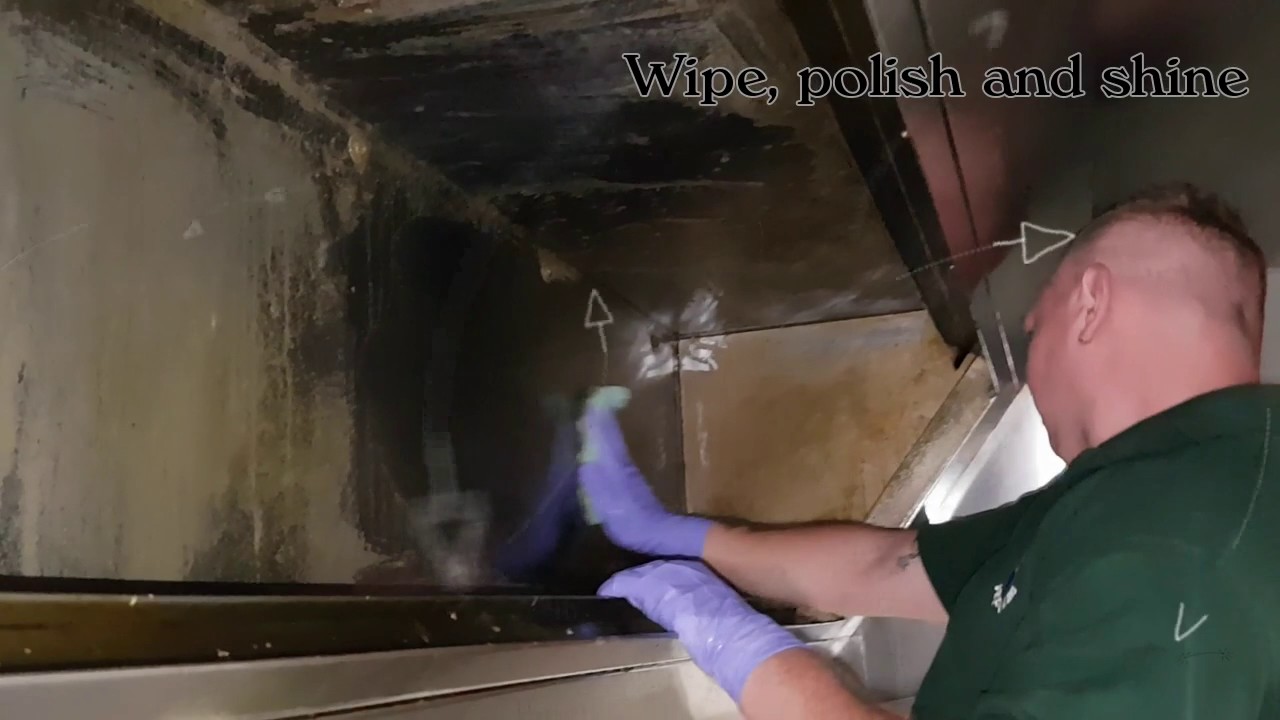
- Structural Assessment: The primary concern is always the structure itself. Any cleaning process, especially those involving high-pressure water or chemical agents, must not compromise the canopy's load-bearing capacity. Public Safety: If the canopy overhangs public walkways, the cleaning process must ensure zero risk of falling debris or equipment. Environmental Impact: Sydney’s waterways and air quality are protected. This means the chemicals used must be appropriate and properly disposed of.
A simple anecdote often illustrates this complexity: I once saw a beautiful, historic canopy on Circular Quay that was cleaned so aggressively that the local architect cried. It wasn't the dirt they removed, but the historical patina—the very evidence of its age and resilience—that was scrubbed away!
Pre-Cleaning Due Diligence: What You Need to Know First
Thinking about the legal side of things can feel like wading through molasses, but taking the time for due diligence saves massive headaches (and hefty fines) later. The key rule of thumb is this: Never assume.

Identifying Your Specific Legal Obligations
Do you need a permit? Who is responsible for the upkeep? These are the million-dollar questions. The answers depend heavily on the canopy’s location, ownership structure, and age.
- Ownership Records: Is the canopy owned by the building owner, the council, or a private entity? This dictates who must issue the work order. Insurance: A comprehensive insurance policy is non-negotiable. Your contractor must carry sufficient Public Liability Insurance, and you should verify that this coverage accounts for high-altitude work and structural cleaning. Permits: Depending on whether the work impacts public footpaths or requires road closure, you may need specific council permits. Always check with the relevant local government area (LGA) first.
When dealing with such high stakes, remember that caution is your best friend. As one safety expert wisely stated, "Complacency is the greatest structural weakness."
Selecting the Right Cleaning Methodology
The method of cleaning must align with the structure's materials and the site's regulatory environment. High-pressure washing, while effective, can be overkill and damaging.
- Low-Pressure Washing: Often the safest bet, using targeted water flow to remove surface grime without stressing joints or paintwork. Chemical Cleaning: Requires careful pH balancing. Using commercial-grade, environmentally approved solutions is crucial to comply with Sydney’s environmental regulations. Physical Removal: Sometimes, the dirt is simply removed by hand or specialized scaffolding equipment, which is ideal for highly sensitive, historic structures.
Navigating the Scope: Deep Dive into Sydney Regulations
Understanding the canopy cleaning Sydney legal requirements means understanding that the rules are layered. It’s not just one checklist; it's a process of checks and balances.
Environmental Considerations: Water and Waste
Sydney's environmental focus means that runoff water is scrutinized. You cannot simply wash the canopy and let the polluted mixture drain into storm drains.
- Containment: Contractors must employ proper containment measures (like shrouds or collection pits) to capture wash water. Chemical Disposal: Any chemicals used must be biodegradable and disposed of through approved industrial waste streams. This is often the most overlooked aspect of the entire process.
Safety Protocols: Working at Height
Working on canopies involves working at height, which brings the National Safety and Health Commission (Safe Work Australia) guidelines into play.
- Scaffolding and Access: All access equipment (scaffolding, cherry pickers) must be erected and inspected by certified professionals. Fall Protection: Mandatory use of safety harnesses, lines, and comprehensive exclusion zones for the public below is standard operating procedure. The Rhetorical Question: If the scaffolding is not certified, can you truly call the work "compliant"?
Planning for Success: Making Your Selection Count
The goal of a perfect canopy clean is to restore its beauty while ensuring its long-term structural health and maintaining full legal compliance. This requires a holistic approach that treats the clean-up not as a single event, but as a managed project.
The Importance of Professional Consultation
Do not attempt this project yourself—unless you happen to be a certified structural engineer, licensed plumber, and industrial chemist all rolled into one person. Instead, hire a specialized contractor who already possesses deep knowledge of the local canopy cleaning Sydney legal requirements.
A good contractor will:
- Conduct a thorough site survey. Provide a detailed Scope of Work outlining materials and methods. Present a clear timeline, minimizing disruption to the business below.
It's a process that requires the precision of a Swiss watchmaker and the legal rigor of a Supreme Court filing.
By treating the maintenance of your canopy with the respect it deserves—and the legal diligence it requires—you ensure that your property remains a safe, beautiful, and compliant asset for years to come. Taking proactive steps now is far cheaper and less stressful than dealing with a structural failure or a hefty council fine later.
